

Famously referred to as 'the pearl of the Adriatic' by George Bernard Shaw, Dubrovnik is the tourist capital of Croatia. The city's well preserved walls and old town, named a UNESCO World Heritage Site in 1979, are the main attraction for visitors of all kinds, from inter-railing backpackers right through to five star luxury cruise guests.
Accommodation
Matching the huge span of visitors to Dubrovnik is a range of accommodation options. The city has many standard guesthouses, as well as 13 of Croatia's 23 luxury hotels. For those on a lower budget there are plenty of hostels and a huge amount of rooms to let. The latter is the best option, often working out cheaper than a hostel for a higher standard. Most of the property surrounding the port and the old town has been converted to cater for tourists. Rooms can be in dedicated accommodation properties or simply in the homes of local families. There are lots of self-catering mini-apartments available as well as standard rooms with shared bathrooms. This being my 3rd visit to Croatia since 2003 I have noticed an increase in the quality of this type of accommodation.
Prices will vary depending on demand, but the best value will be got when you get off the ferries or a bus. Locals will swarm you offering their services. They will have photos and maps of their accommodations and will be open to striking a deal so be prepared to haggle. The ferries usually arrive early so don't worry about not being able to find anywhere to stay. The majority of these rooms are not available online so you do need to book in person.
History
Formerly known as the Republic of Ragusa, Dubrovnik was originally built during the 7th century. It thrived as a maritime trading port, coming second only to Venice at the peak of its success. In 1667 the city was almost completely devastated by an earthquake. It was rebuilt and restored by its residents, giving us the Dubrovnik that stands today.

In more recent history, Dubrovnik was absorbed into Yugoslavia following World War 1. it had previously been a monarchy, however after the assassination of King Alexander in France, his son, Prince Paul, developed a relationship with the Germans. This proved to be poor judgement on his part. In 1939 the German immediately ousted the Prince and , with the help of the Fascist Italians, invaded Croatia. Ultimately Communist control took hold under Tito and the Iron Curtain fell over Croatia, Montenegro, Slovenia, Serbia and Boznia-Herzegovina. After Tito's death in 1980 things began to disintegrate. By the end of the decade Croatia had entered into war with Serbia. Fighting lasted until 1993, with Dubrovnik receiving the bulk of the impact. Evidence of the conflict can still be found in the old town today, adding further dimension to the historical draw of the city.
The Old Town
The fully pedestrianised and impeccably kept old town is a joy to explore and get lost within. Its polished streets are noticeably absent of litter. Strict signage/frontage guidelines ensure that shops and restaurants fit snugly into the old town rather than distracting from or contradicting it.

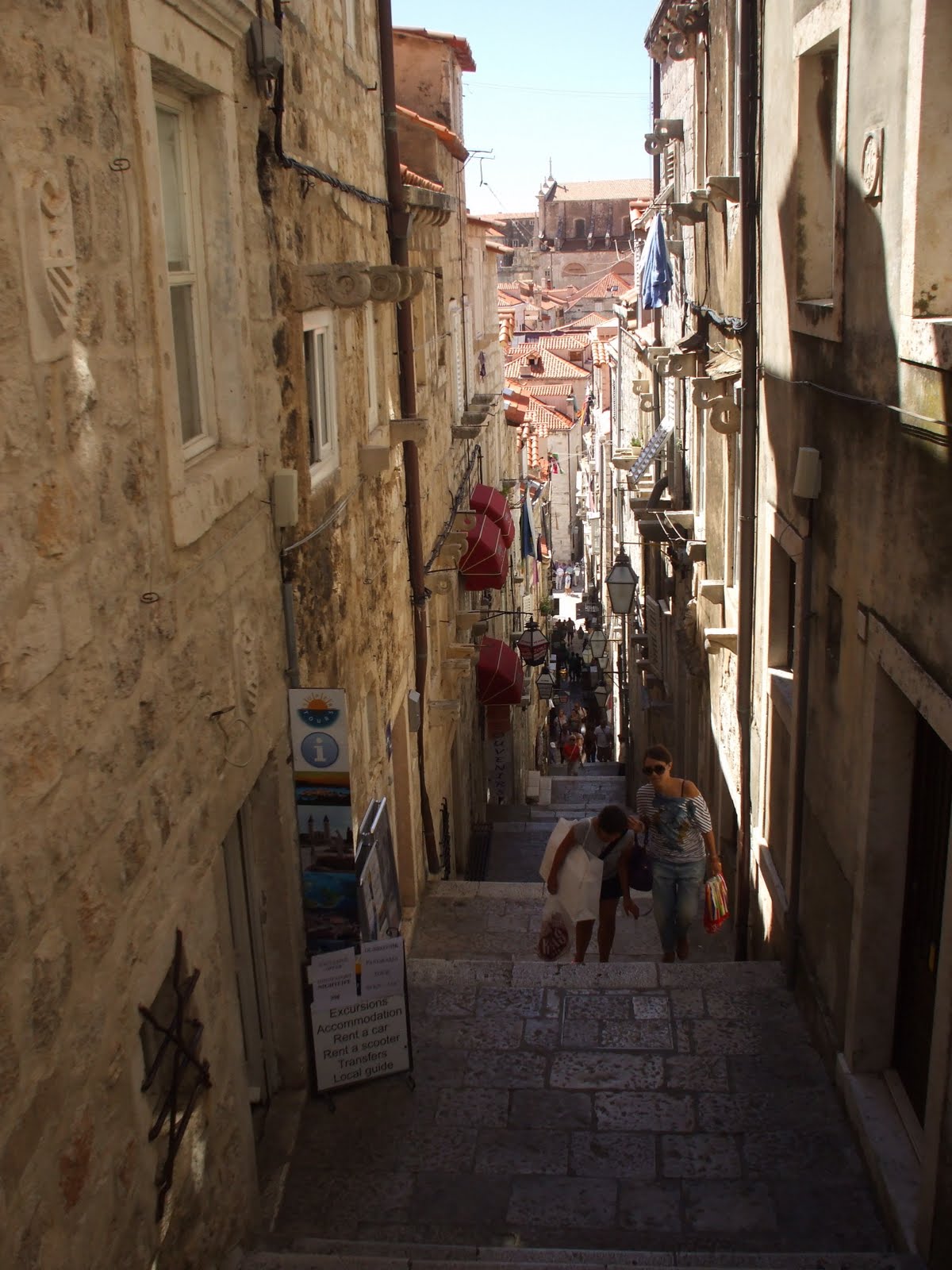
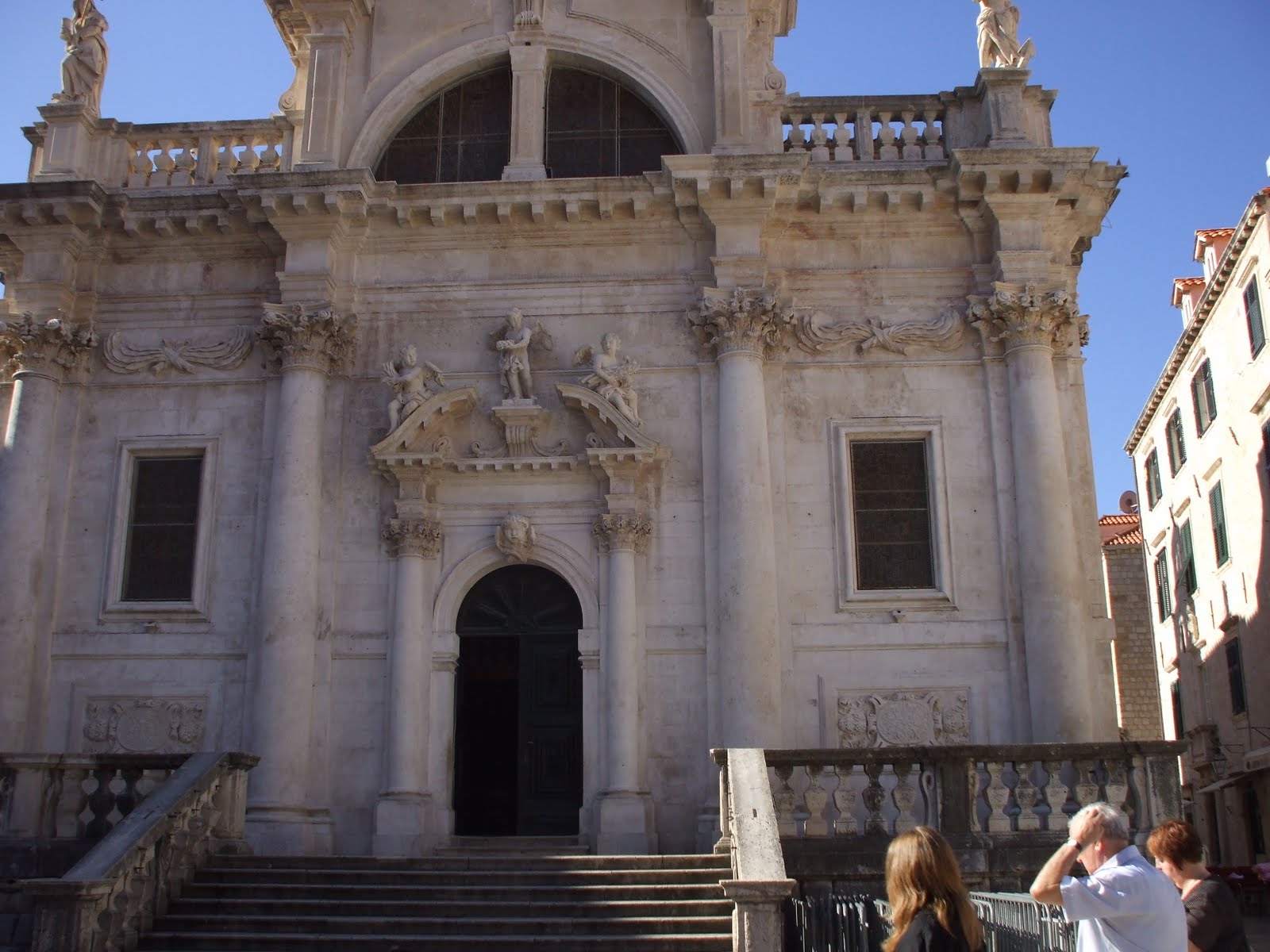
What will distract you from the lovely architecture and intricate side streets is other tourists. Between the months of April and October Dubrovnik is inundated with sightseers, many of whom share the holiday photographer's philosophy that he who holds camera need not look. I cannot exaggerate the amount of times a sightseer blindly tripped across me while taking a photograph. When not falling over others these tourists were being bashed into by similar minded people, who, also taking photographs, failed to notice the abrupt halt, aim and snap of the person in front. At times the swarm of the crowd was almost concert like. If you want to avoid this then visit the old ton early in the morning before the cruise ships dock for the day. The below photograph was taken before 9 AM. Bliss :)

An absolute must do is walking the city's walls. It costs €10 and will take about 1 hour. As well as great views into the Old Town, you will be able to see the old port, the old monastery island of Lokrum and the stunning blue of the Adriatic.


Water Babies
Of course you can enjoy the Adriatic close up. There is an alcove just outside the Old Town walls that has been allocated to swimmers. It is essentially a pier structure with ladder access into the sea, a perfect place to cool down and unwind after a busy day sightseeing
For those of you looking to leave the crowds behind and bare all in the quest for line free tanning, take a ten minute boat ride to Lokrum, where there is a good naturalist beach. If you get bored of naked people watching you can also visit the old monastery and the botanical gardens.
Another way to enjoy the Adriatic is to go sea kayaking. This is a popular activity in Croatia. A 3 hour trip around Lokrum offers great views of the island as well as of the old walls of Dubrovnik. Snorkelling equipment and a packed lunch-which we gobbled down after paddling up a serious hunger-are included in the price of €30 per person. To book a tour just keep an eye out for reps on the old town bridge. They will be holding paddles and handing out flyers so you cant miss them.

Eating
Dubrovnik is packed full of cafes and restaurants. Their owners are aware of the town's popular tourist status and have learned to price accordingly. The food in Dubrovnik -and Croatia as a whole- is best described as fresh, good quality produce presented with little imagination or flair. Spicing and strong flavours are absent. Restaurants offer a similar menu of local seafood and grilled meats at various prices from the middle road tourist traps to the gastronomic fancy pants spots with expensive offerings. The rather homogenous menus and simple plates can become tedious after a while. For cheap eats look to the many street side pizzerias selling take away slices from hatches. The Italian influence has rubbed off well, with most of these houses using wood fired ovens. Delicious slices can be bought for just over a Euro and are perfect for ending a night on the booze or for filling a gap.
Drinking
There are plenty of cafe/bars that serve alcohol on the streets and sqyares. MAny of them also serve food and so can be a little more expensive. If you are looking for more of a pub venue then head into the side streets, particularly those right of the main entrance to the old ton. The Irish pubs are particularly busy spots. Both 'the Irish Jig' and the newer, and might I say cleverly named, 'the Gaf' offer play live music from about 9 PM and tend to attract young, lively crowds. They are right next to each other creating a mini hub within the side streets. There are a couple of late night club type venues outside the city's walls, but the most popular one is Latino Fuego which is just a gew metres from the main entrance. This is generally where all the tourists go to dance the nigh away.
Shopping
I love to shop, but to be honest found very little to catch my eye in Dubrovnik. There are lots and lots of souvenir shops but to be honest they are full of rubbish :).
Day trips/Excursions/next Stops
There are other day trips and overnight excursions you can take from Dubrovnik. The Elaphite islands, Miljet, Korcula, Kotar (Montenegro), Mostar and of course, the pilgrimage town of Medjugorje (both in Bosnia), are all within fairly easy reach of Dubrovnik. The city does not have a train station, however it is well serviced by bus and of course by ferry, with Jadrolinija being the largest operator. Transport is reasonably priced. Buses are regular, but ferries tend to operate daily (usually at the crack of dawn) or a few times a week so if you are planning on moving on from Dubrovnik check the schedules on arrival so that you don't end up spending longer in the city than you had estimated. During peak months it is a good idea to buy ferry tickets the day before travel as they can book up.
Other Tips/Notes/Observations
Note that there are few and far between ATMs outside of the Old Town.
The Croatians love to get the exact change or at least be handed cash that allows them to easily give back a single note or easy change, so carry lots of coins.
I found Dubrovnik to be a really safe place. I saw/heard no crime while there.
It is also absent of beggars, which is refreshing and also slightly unusual for Eastern Europe.
When you go swimming it is important to have sandals that attach to your feet (as opposed to slip on ones). Although everyone knows this (beaches are rocky and also the sea floor is covered in urchins) there are not many shops that sell strap on waterproof sandals. If you are stuck with this little problem like me then go to the internet cafe to the immediate right of the inside of the main gates. They have a good selection of waterproof sandals.
Aer Lingus flies a regular service into Dubrovnik from Dublin. Very nice travel times too :)


